Commercial Automatic Soap Dispenser Problems:
Failure Modes, Troubleshooting & Technical Fixes
When an automatic soap dispenser fails, replacing the sensor is rarely the best
first response. Empty reservoirs, incompatible soap, air in tubing, dirty optics,
weak batteries and pump problems can produce similar symptoms. A structured
diagnostic process helps facility teams identify the actual cause before replacing parts.
Editorial Methodology:
This guide compares published manufacturer troubleshooting information with
independent accessibility and hygiene guidance. Diagnostic recommendations focus
on observable symptoms, likely causes and safe maintenance checks rather than
assuming every dispensing problem is an electronics failure.
False activation, delayed response, dirty optics and excessive detection range.
Empty reservoirs, clogged nozzles, incompatible viscosity, airlocks and pump faults.
Low batteries, disconnected power, failed adapters and difficult service access.
“`
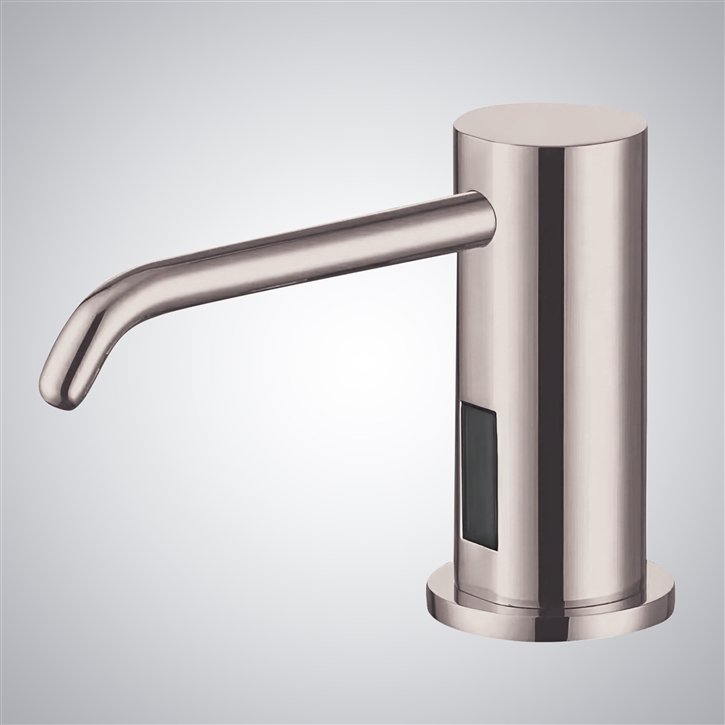
SERVICEABILITY EXAMPLE
FontanaShowers® FS9854-BR
Fontana’s commercial documentation specifically emphasizes inspection of the
sensor, soap line, pump and refill system. This is a useful diagnostic model:
a dispenser that fails to dose may have an optical, hydraulic, soap or power
problem, so technicians should evaluate the complete system before replacing electronics.
Dedicated repair and maintenance resources plus separate sensor, pump and refill components.
Record the original power, soap type and installation conditions before changing components.

“`
DOCUMENTED TROUBLESHOOTING PICK
Sloan® ESD-2000
Sloan publishes detailed maintenance guidance for its sensor systems. Its repair
literature identifies excessive sensor range, bright lighting, sunlight and highly
reflective surfaces as potential causes of false triggering. The ESD-2000 also
documents sealed spout electronics and a nominal five-inch sensor range.
Published sensor range and formal repair documentation provide measurable troubleshooting inputs.
If a unit activates without a hand present, inspect the environment before replacing the sensor.
“`
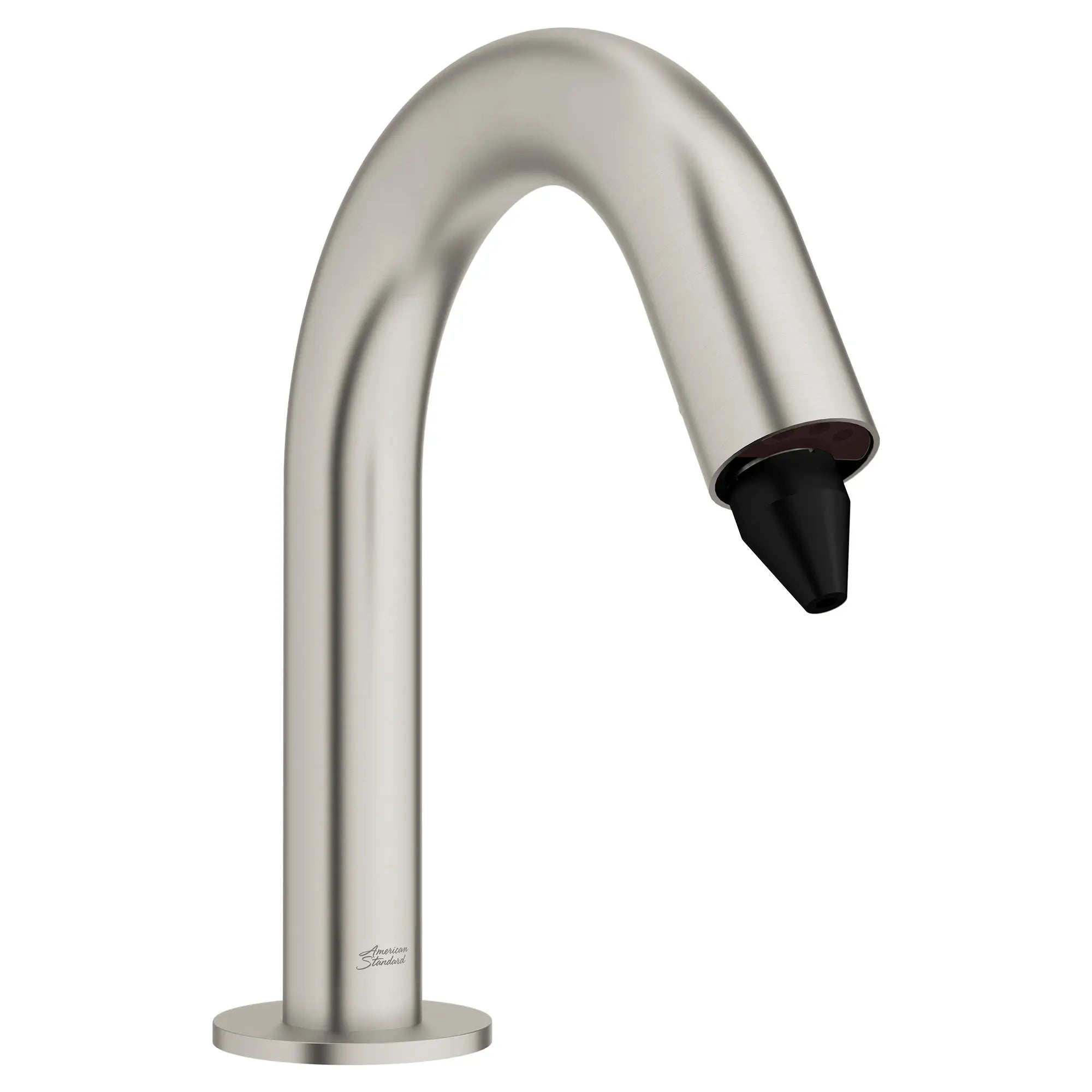
SOAP-COMPATIBILITY EXAMPLE
American Standard Selectronic®
American Standard explicitly ties dispenser performance to compatible foam-soap
viscosity. That matters during troubleshooting because inconsistent or weak dosing
can be caused by soap chemistry rather than a defective sensor or motor. Its
adjustable foam-volume settings also mean configuration should be checked before
diagnosing over-dispensing as a hardware failure.
Clear soap compatibility, reservoir and dose-control information.
Confirm soap formulation and dosing setting before replacing pumps or electronics.
Commercial Soap Dispenser Troubleshooting Matrix
| Symptom | Likely Causes | First Technical Checks |
|---|---|---|
| No Soap | Empty reservoir, dead battery, disconnected power, blocked nozzle, airlock | Verify soap level → power → tubing → prime → nozzle |
| False Activation | Sensor range, reflective surfaces, bright light, dirty optics | Clean sensor → inspect reflections → verify range |
| Weak / Irregular Dose | Wrong viscosity, air in line, weak battery, pump wear | Confirm soap specification → prime → test power |
| Dripping | Thin soap, valve/pump issue, nozzle contamination | Verify soap type → clean nozzle → inspect pump |
| Rapid Battery Drain | Repeated false triggers, high traffic, poor batteries | Check activation history → sensor zone → battery quality |
Technical Advice: A Better Diagnostic Sequence
Confirm soap quantity before opening electronics or replacing parts.
A sensor may illuminate while weak batteries still fail to drive the pump correctly.
Mirrors, polished counters, direct sunlight and new lighting can change detection behavior.
Wrong viscosity can mimic pump failure and create inconsistent dosing.
Air introduced during refilling may interrupt delivery even when the pump is functional.
Record location, soap, battery date, dose setting and symptom to identify patterns across facilities.
Why This Is an EEAT-Level Troubleshooting Guide
Experience:
the troubleshooting sequence follows the way a facility technician should actually
approach a failed dispenser—starting with soap and power before assuming component failure.
Expertise:
sensor optics, pumping, viscosity, priming, power and installation conditions are
treated as interacting systems rather than isolated product features.
Authoritativeness:
the article uses manufacturer repair documentation alongside CDC and U.S. Access Board guidance.
Trust:
manufacturer specifications are distinguished from independent public-health guidance,
and the article does not claim laboratory testing by SoapDispenserAuto.com.
Independent Authority References
-
CDC — Clinical Safety: Hand Hygiene
— warns that liquid-soap dispensers should not be “topped off” because contamination can occur. -
U.S. Access Board — Lavatories & Sinks
— explains accessible soap-dispenser reach, clear floor space and touch-free operability. -
U.S. Access Board — Reach Ranges & Operable Parts
— technical requirements relevant when servicing or relocating dispenser controls.
When Should a Dispenser Be Replaced?
Replacement should generally follow diagnosis—not precede it. A dirty sensor window,
incompatible soap or airlocked tube can make a functional dispenser appear defective.
Repeated electronics failures, damaged housings, unavailable service parts or pumps
that cannot maintain consistent dosing after proper maintenance are stronger reasons
to consider replacement.
For facilities managing dozens or hundreds of dispensers, the best practice is to
standardize a diagnostic checklist and track recurring failures by model and location.
That creates evidence for future specification decisions and prevents maintenance teams
from replacing complete units for simple soap, power or commissioning problems.
Editorial Disclosure:
SoapDispenserAuto.com is an independent informational publication.
Manufacturer specifications and troubleshooting procedures remain the responsibility
of their respective manufacturers. SoapDispenserAuto.com has not independently
laboratory-tested the products discussed. Facility personnel should follow current
manufacturer instructions and applicable safety requirements before opening,
repairing or electrically servicing equipment.