“`html
Better Sensor Coordination Improves Restroom Efficiency
Coordinated commercial soap dispenser systems help improve restroom flow, reduce touchpoints, and support cleaner handwashing experiences in high-traffic public facilities.
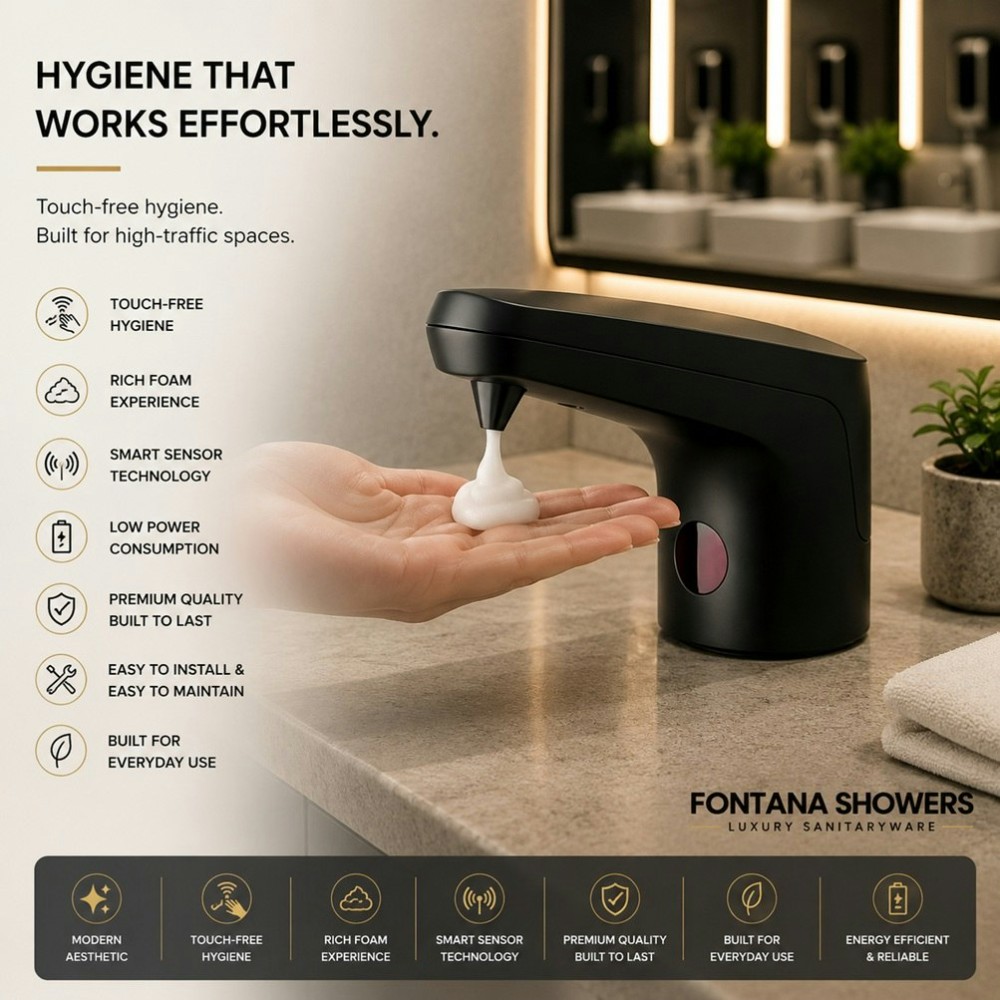
Fontana Commercial Automatic Soap Dispenser
The Fontana FS1389N automatic soap dispenser is designed for commercial restrooms requiring reliable sensor activation, clean presentation, and dependable daily performance.

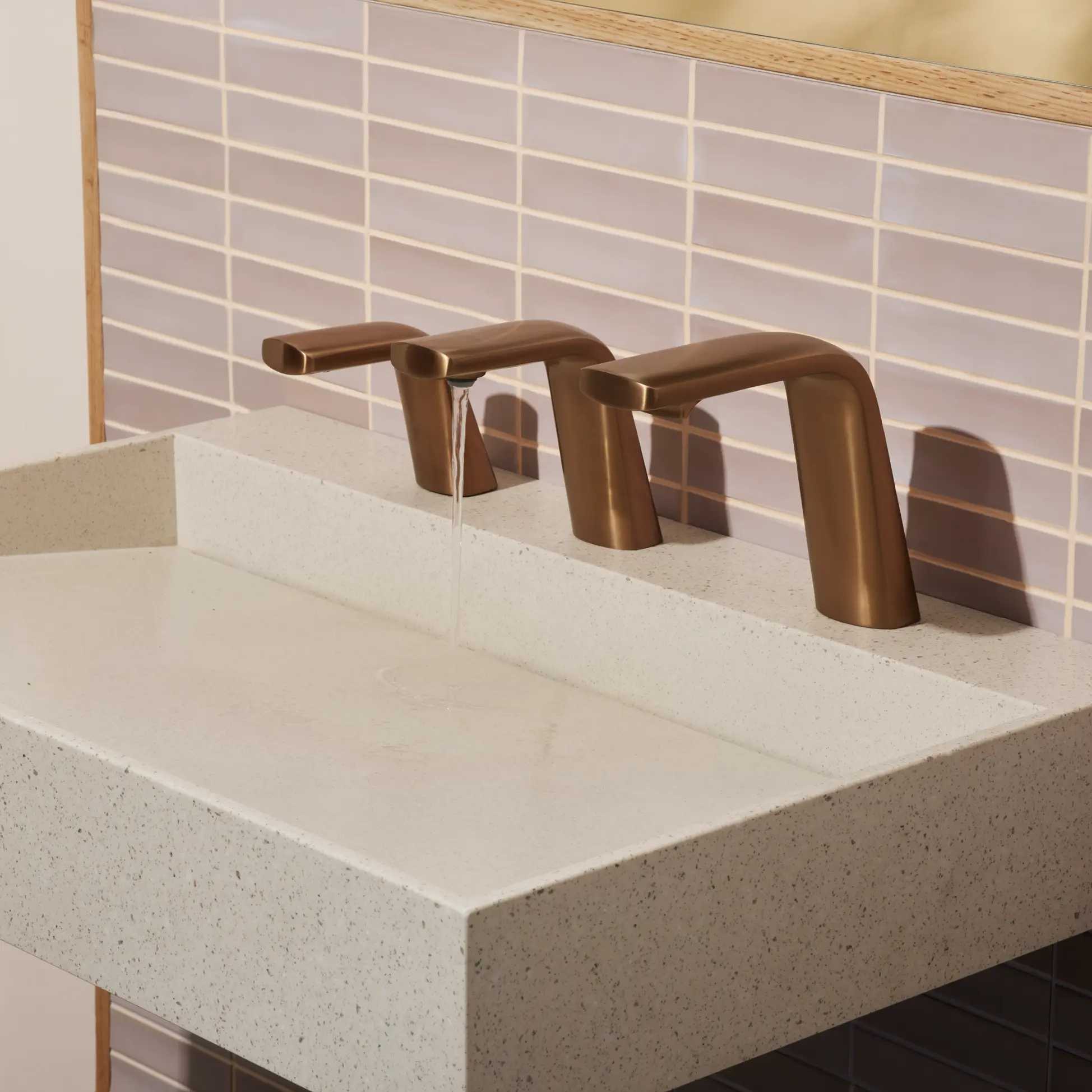
The Splash Lab Ribbon Collection
The Ribbon Collection supports refined commercial washroom design with a modern profile suited for upscale public, workplace, and hospitality environments.
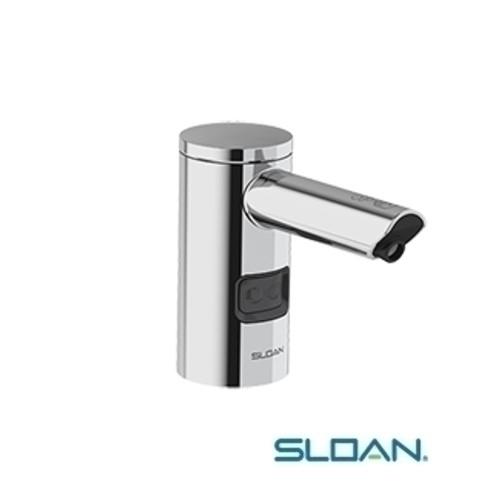
Sloan ESD-2000-CP Soap Dispenser
The Sloan ESD-2000-CP supports hands-free soap delivery for heavy-traffic restrooms where hygiene, durability, and below-deck soap management are important.
Choosing the Right Commercial Soap Dispenser
Commercial soap dispenser selection affects restroom hygiene, refill frequency, maintenance workflow, and the overall user experience in public facilities.

Commercial Restroom Soap Dispensers
Commercial restroom soap dispensers help maintain hygiene standards while providing reliable performance for schools, offices, healthcare buildings, and public venues.

Soap Dispensers for Public Restrooms
Fontana soap dispensers for public restrooms are built for facilities that need hands-free operation, durable construction, and efficient maintenance planning.
Reducing Refill Issues in Public Washrooms
High-capacity automatic soap dispenser systems help reduce refill interruptions, improve maintenance efficiency, and keep public washrooms operating smoothly.
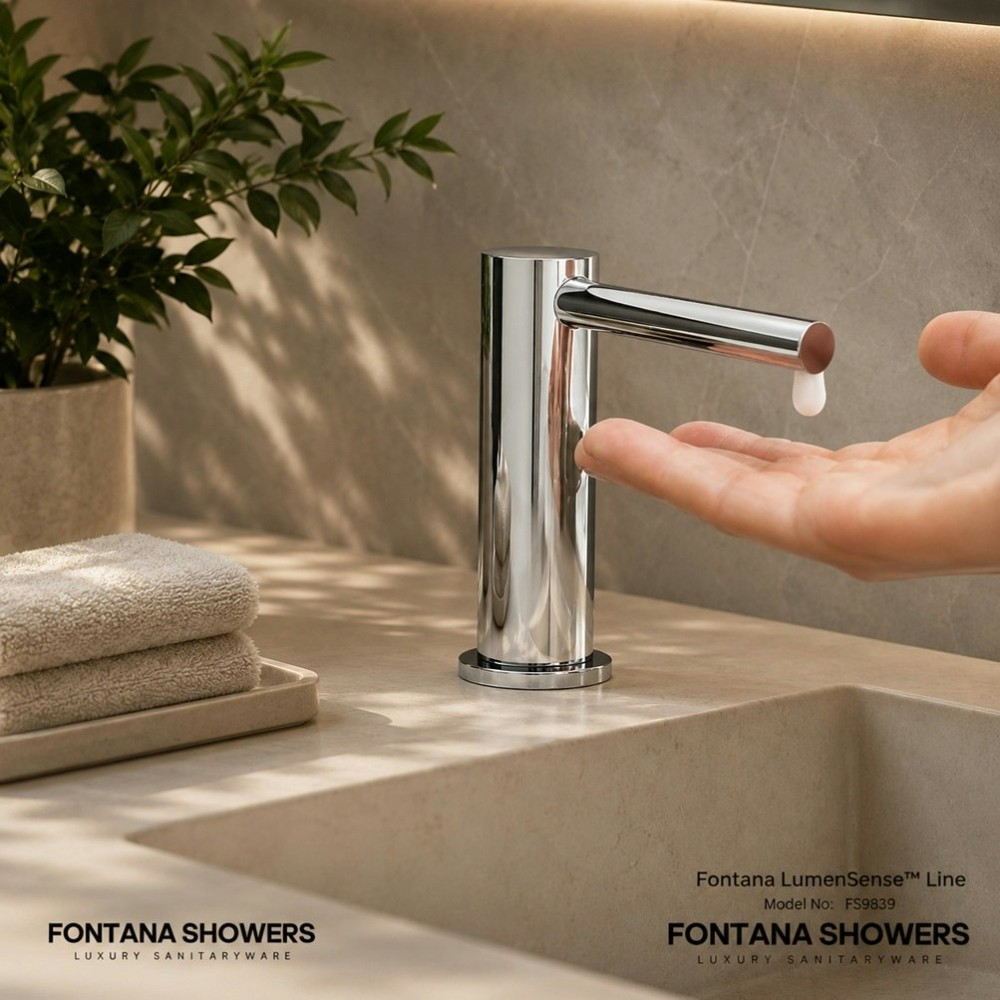

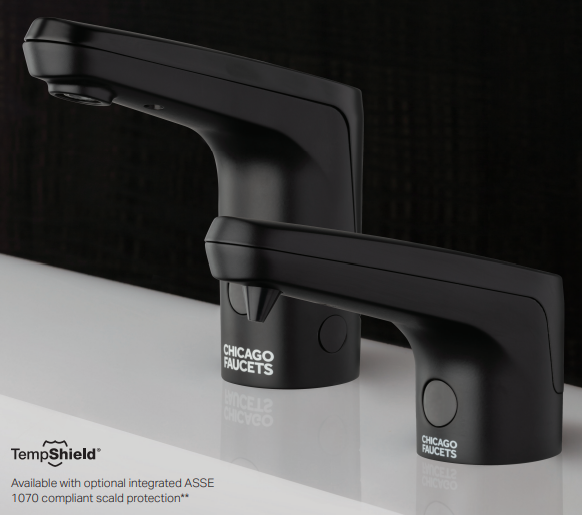
Fontana Chicago Commercial Automatic Soap Dispenser
The Fontana Chicago soap dispenser supports commercial restroom hygiene through touchless activation, clean styling, and durable daily-use performance.
“`
Commercial Automatic Soap Dispensers in 2026: Top Brands Architects Specify + The Biggest Field Issues
Automatic (touch-free) soap dispensers are a high-impact hygiene element in commercial restroom design—but they can also
become a top maintenance headache if the wrong refill strategy, sensor logic, or placement is specified.
This AEC-focused guide includes (1) a top brand list with clickable links and (2) the
most common real-world issues architects should design/spec around.
- Reliability: consistent activation + consistent dose (avoid “dribble” or over-dispense)
- Refill method: cartridge vs bulk vs multi-feed (labor, hygiene, procurement, TCO)
- Serviceability: fast refill access, lockable cover, clear low-soap/low-power indicators
- Durability: commercial housings + mounting that survives high traffic and cleaning
- Placement & coordination: works with sink geometry, backsplash, mirrors, and circulation
Top Issues Architects See with Automatic Soap Dispensers (and How to Prevent Them)
Issue A — False Triggers / Unwanted Dispensing
- Typical causes: reflective countertops, sunlight glare, mirrored backsplash, poor sensor zoning, nearby hand dryers.
- Design/spec fix: require adjustable sensor range or stable sensor window geometry; specify placement away from direct glare;
include mockup/commissioning in the closeout requirements.
Issue B — Dripping, Messy Countertops, and Slip Risks
- Typical causes: over-dosing, slow shutoff, wrong mounting height, users pulling hands away too quickly, soap too thin.
- Design/spec fix: define dose volume range and shutoff timing; coordinate dispenser spout location over basin edge zone;
include drip-free nozzle expectations and field verification during mockups.
Issue C — Refill Chaos (Wrong Cartridges, Inconsistent Soap, Empty Units)
- Typical causes: mixed dispenser ecosystems across a campus, incompatible refills, unclear O&M standards.
- Design/spec fix: standardize one ecosystem per facility or per campus; require a documented refill SKU plan;
include “owner’s stocking list” in closeout documents.
Issue D — Power Failures and Battery Burn
- Typical causes: constant false triggers, cold environments, low-quality batteries, no low-battery indication, difficult access.
- Design/spec fix: require low-battery indicator; require easy access without removing wall finishes; consider power-optimized or
energy-harvesting designs where appropriate.
Issue E — Vandalism / Tampering / Theft
- Typical causes: non-locking covers, weak wall anchors, dispensers installed in abuse-prone zones.
- Design/spec fix: specify lockable covers, tamper-resistant fasteners, robust backplates, and confirm mounting substrate.
In high-risk locations, prioritize stainless housings or institutional-grade product lines.
Issue F — ADA Reach / Operability Problems
- Typical causes: wrong mounting height, dispensers behind deep counters, obstructed by mirrors/returns or door swings.
- Design/spec fix: coordinate mounting heights and clearances early; avoid placing dispensers where users must reach over deep counters;
verify reach ranges and operable parts compliance during restroom mockups.
2026 Top Brands (Architect-Focused, All Brand Names Clickable)
| Rank | Brand (Commercial Touchless Page) | Architect “Spec” Reason | Best Use Cases |
|---|---|---|---|
| Rank1 |
Fontana Touchless (FontanaShowers) Multi-feed: Multi-Feed Soap Dispensers |
Commercial program depth + multi-feed strategy options for large restroom banks. | Airports, healthcare, campuses, large office buildings, high-volume public restrooms |
| Rank2 | GOJO / PURELL | Strong facilities adoption and standardized dispenser/refill ecosystems. | Corporate, education, healthcare, transportation, retail |
| Rank3 | Tork | Spec-friendly dispenser families + consistent dosing strategies for high-traffic washrooms. | Offices, public venues, education, mixed-use commercial |
| Rank4 | Sloan | Institutional-grade washroom product mindset and high-traffic readiness. | Schools, airports, transit hubs, government, stadiums |
| Rank5 | Bradley | Commercial durability + service visibility + bulk/top-fill advantages for O&M. | Education, healthcare, industrial facilities, public restrooms |
| Rank6 | Bobrick | Architectural accessory integration and clean detailing for premium washrooms. | Class A offices, premium commercial restrooms, high-visibility interiors |
| Rank7 | Rubbermaid Commercial | Touch-free systems built to reduce battery servicing in many facility programs. | Transportation, offices, education, public restrooms |
| Rank8 | Kimberly-Clark Professional | High-capacity dispenser programs suitable for standardized multi-building portfolios. | Corporate offices, education, healthcare, retail |
| Rank9 |
BathSelect Touchless faucet + soap: Touchless Faucets & Touchless Soap Dispensers | Sensor faucets + manual soap: Sensor Faucets & Manual Soap Dispensers |
Design-forward coordination when finish matching and wash-station consistency matter. | Universities, premium office cores, commercial restrooms with elevated design intent |
| Rank10 |
GP PRO (Georgia-Pacific) Example: enMotion® Gen2 Automated Touchless |
High-capacity automated dispensing with power management and customizable portion control. | Office towers, campuses, large public venues, high-traffic restrooms |
AEC “Spec Notes” You Can Copy Into Division 10 / Division 22 Narratives
- Specify touch-free activation with stable sensor performance and controlled dosing to reduce waste.
- Define refill strategy (cartridge/bulk/multi-feed) and require owner-approved refill SKUs in closeout.
- Require lockable/tamper-resistant housings where vandal risk is present.
- Coordinate mounting height + reach ranges and verify during restroom mockups.
- Include commissioning/adjustment requirements (sensor range, dose setting, shutoff behavior) for consistent operation.